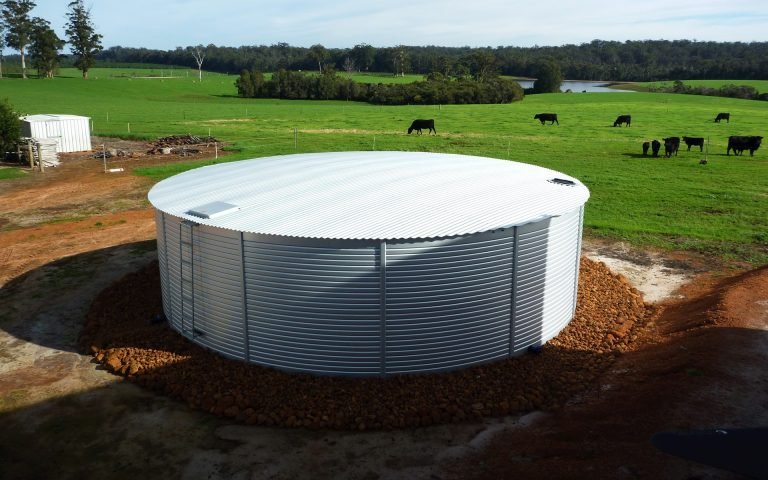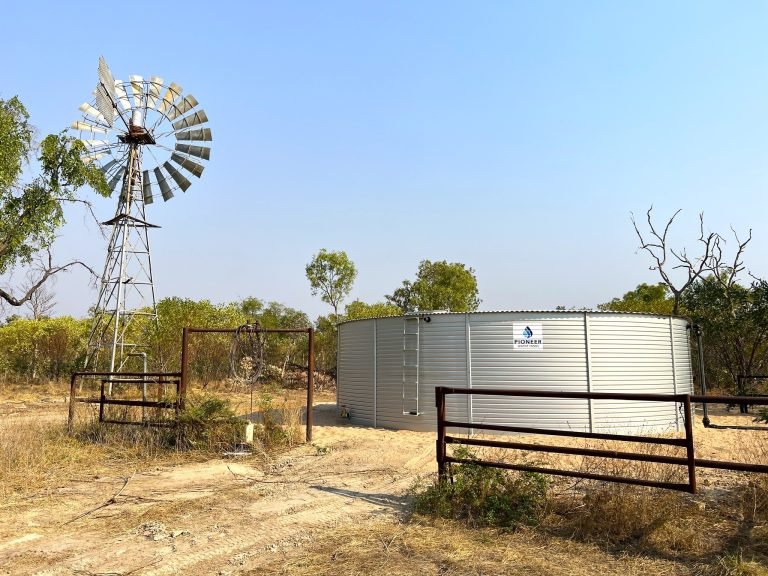
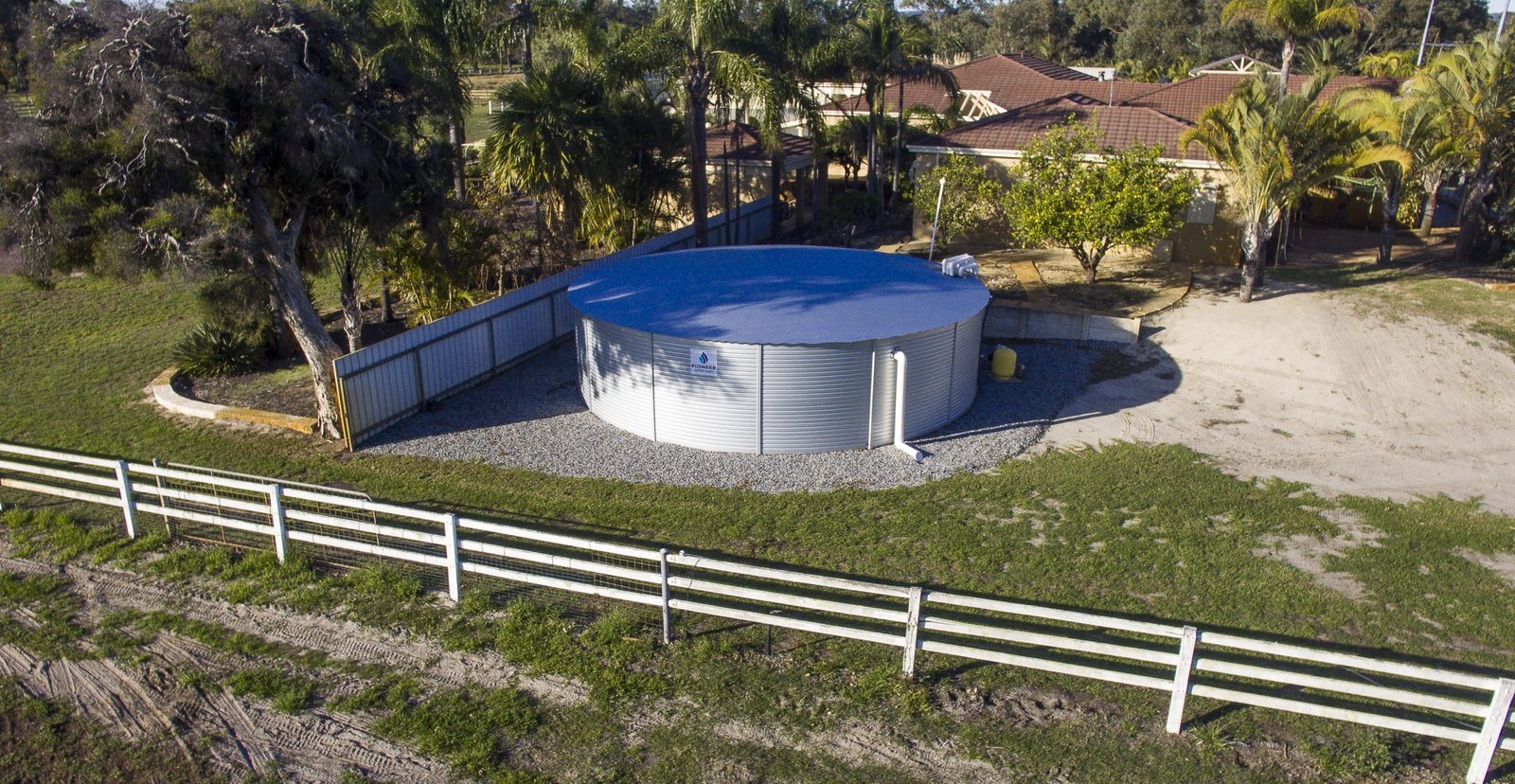
While several factors affect the quality of drinking water stored in your rainwater tank, for most of Australia, the answer is yes.
A well-maintained rainwater tank designed for potable water storage will safely hold drinking water, keeping it free from contaminants and harmful bacteria.
However, as mentioned earlier, whether rainwater is safe to drink depends on various risk factors such as your location, the system you use for harvesting rainwater, the type of storage used, and how long the water is stored.
For the health and safety of your household, and to prevent any illnesses, it’s essential to follow the best practices for rainwater harvesting and storage, along with state and local government guidelines.
Anyone who has lived on a rural property knows that nothing beats the taste of pure, fresh rainwater directly from nature, which is why more people are looking to store rainwater for drinking purposes.
Continue reading to discover how to ensure your rainwater is safe for drinking, the best practices for collecting drinking water, and how to protect your water from parasites, bacteria, or contaminants that could affect its quality.
The first step is to ensure that your rainwater harvesting area is clean and free from pollutants. This involves making sure that your roof or shed is clear of animal droppings, leaves, branches, and is not housing any vermin. Additionally, avoid locations with high air pollution, industrial, or agricultural activities, as well as areas affected by smoke or other emissions from bushfires or wood heaters.
The roof material plays an important role, and rainwater can be safely harvested from most common roofing materials, including Colorbond®, Zincalume® steel, cement, terracotta tiles, galvanised iron, polycarbonate sheeting, fibreglass, and slate tiles.
However, it’s essential not to harvest drinking rainwater from roofs or sources made of treated wood, coated with bituminous products or lead-based paints, or any roof areas with chimneys from wood burners, discharge pipes from air conditioners or hot water systems, or lead-based paints or flashings.
Regularly clearing out your gutters and removing overhanging branches or other organic materials is a good practice to maintain a clean and safe rainwater harvesting environment.
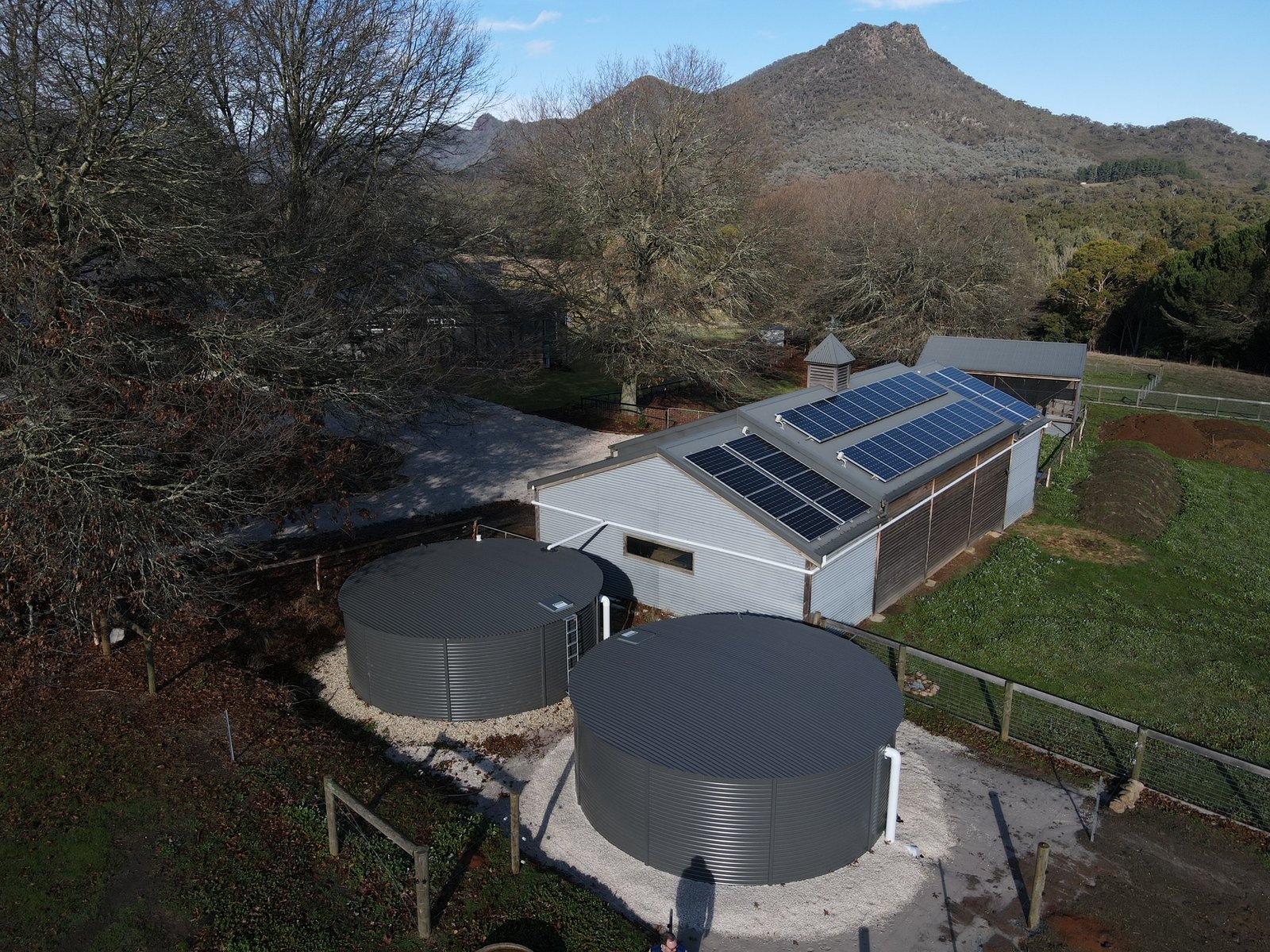
Keep your catchment area and other parts of the harvesting system clean and clear of leaves, branches, and debris.
Cover the inlet and overflow of your water tank with mesh, or use a filter basket and flap valve.
Ensure light cannot enter your rainwater storage, as UV exposure can lead to the growth of algae.
Use a first flush diverter to prevent dust, dirt, and other contaminants from entering the tank after a dry spell.
Ensure all pipework is self-draining to prevent corrosion or contamination.
Regularly maintain your leaf trap or leaf filter baskets.
Ensure animals and birds cannot easily access your rainwater harvesting system or downpipes.
If you live in an urban area and plan to use your rainwater tank for drinking, it’s advisable to have your water tested for pollution or contamination before consumption.
In rural areas, rainwater tanks are generally considered safe for drinking water by all state authorities, provided the collection and storage are properly managed.
If you are unsure, check your state government website for specific guidelines on the harvesting and storage of rainwater for household use.

Once your rainwater is in the tank, especially with steel rainwater tanks, there are several accessories and add-ons that can help keep your stored rainwater safer for drinking purposes.
Installing a protective seal at the top of the tank, especially in areas more prone to mosquitoes or other insects, is a crucial step in preventing contaminants from entering your rainwater tank and ensuring it remains safe for drinking.

Exclusive to Pioneer Water Tanks, the Aqualiner Fresh® water tank liner is specifically designed to prevent the build-up of algae or bacteria inside the tank.
This innovative product uses Sanitized® technology to actively maintain the freshness of your stored drinking water from within the tank.

Installing a first flush diverter or similar pipe gate is an excellent way to prevent dust, dirt, or other particulate buildup that may have settled on your roof or pipes from entering your water tank during the first significant rainfall after a prolonged dry spell.
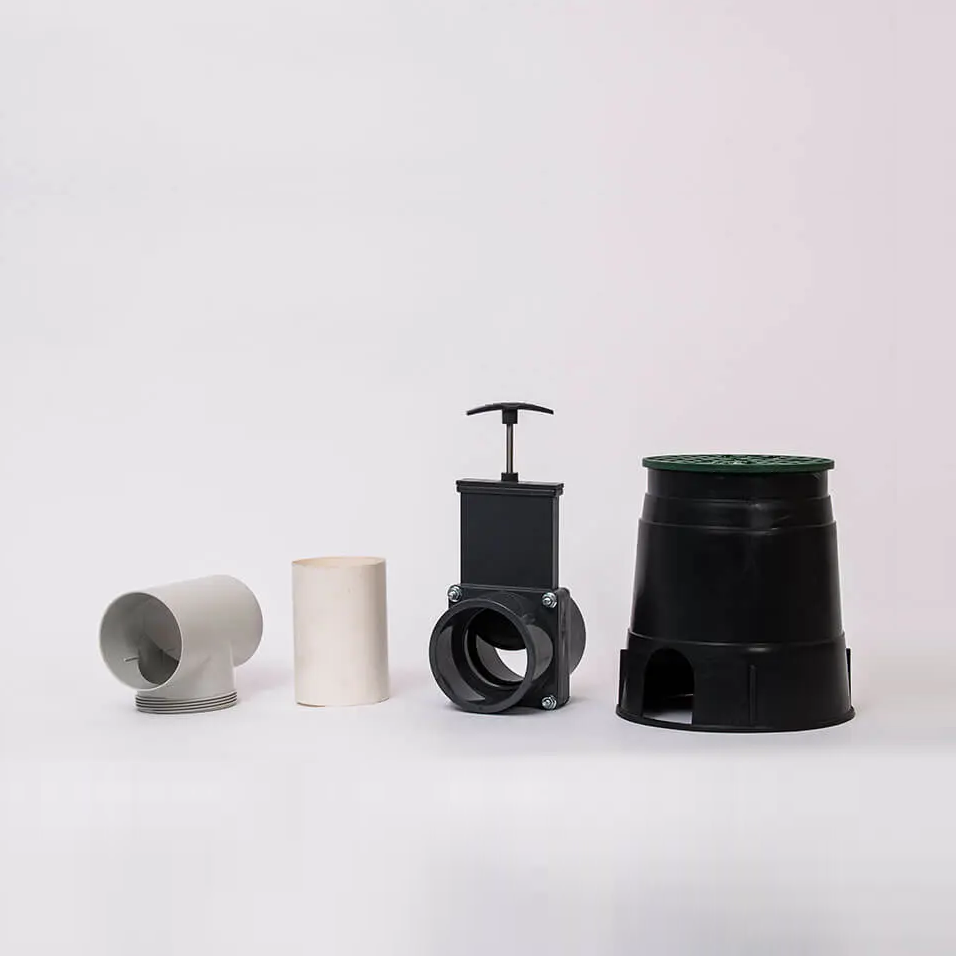
While rainwater tanks are generally safe to drink once the proper steps have been followed, you can further enhance water safety by installing a filtration system.
It’s not necessary to install the filter directly on the water tank itself. Instead, you can install a water filter on kitchen taps or other points where it’s essential for the drinking water to be free from particles or contaminants.
Another traditional and effective method for ensuring clean rainwater—used for generations in food preparation—is to boil the rainwater before consumption.
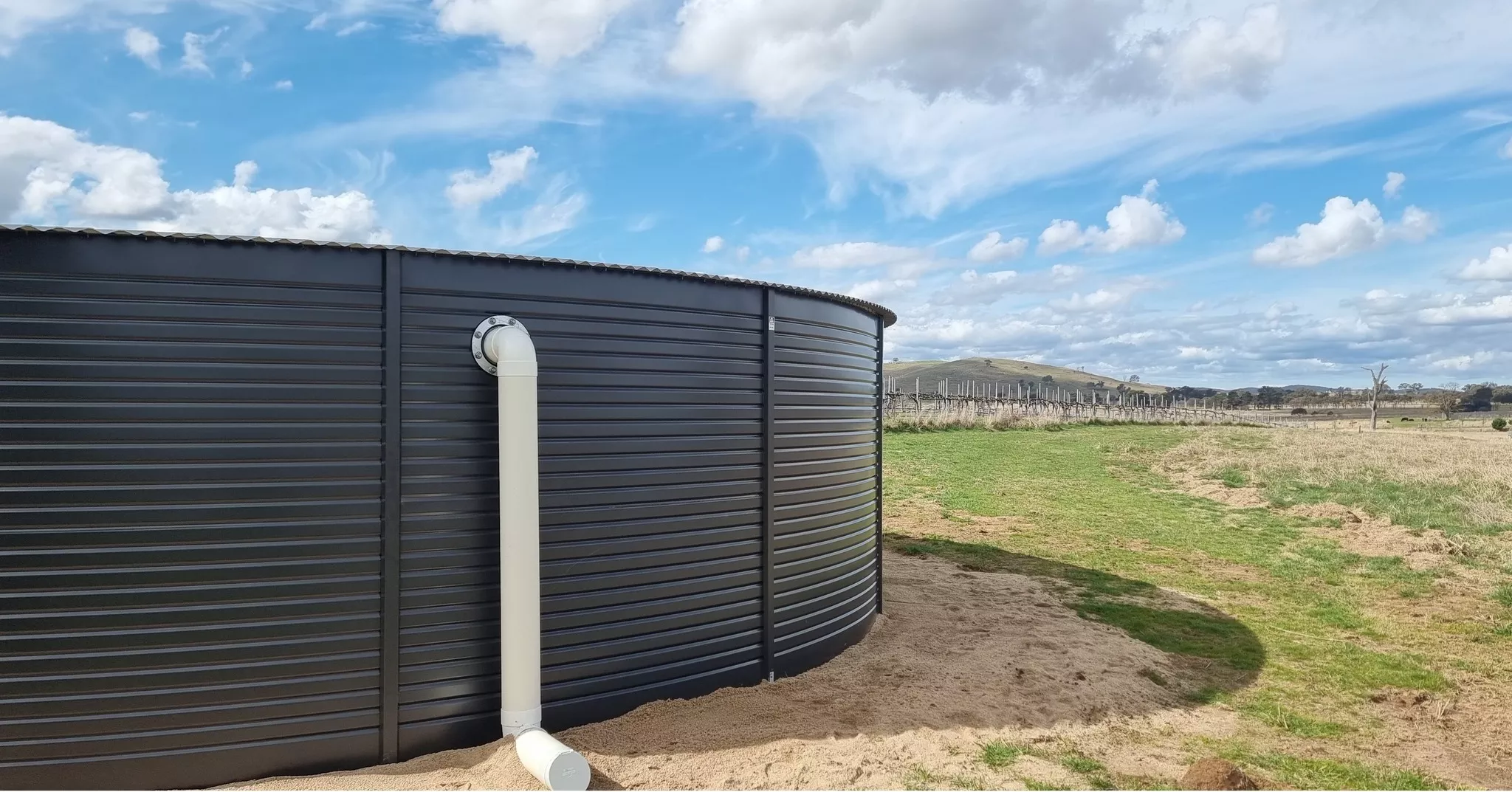
While there is limited evidence regarding the health benefits of drinking rainwater, it does contain fewer chemicals than tap water, as municipal water supplies often include additives like chlorine and fluoride. These additives help kill contaminants and ensure safety while the water is being delivered.
In contrast, rainwater lacks these additives, making it a softer water source with a lower pH level. This makes rainwater ideal for washing clothes, watering plants, and even washing hair, as it’s less likely to build up chemicals over time.
The low chemical content is also why many people prefer the taste of rainwater over tap water, and as we know, enjoying what you drink can have a positive impact on mental health, which in turn supports better physical health.
Town or scheme water is the recommended drinking water supply for all homes under state and federal regulations in Australia. However, many communities across the country lack access to a reliable water supply.
For those living in such communities, rainwater is often the best and safest option for drinking water, even if other sources such as bore or dam water are used for other household needs like the bathroom or laundry.
If you would like to turn your rainwater into a drinking water supply for your home, contact the friendly and helpful team at NSW Water Tanks today for expert advice, information, and assistance.
Pioneer Water Tanks is an Australian-owned and operated business that has been providing water storage solutions for rural families and farms for over 30 years.
With industry-leading water storage solutions, award-winning design, and a 20-year warranty, it’s no surprise that Pioneer Water Tanks is leading the way in water storage.
For more information or pricing on world-class water storage solutions today, call 0490 089 551 or fill out our form online, and NSW Water Tanks will be in touch shortly.