Rainwater harvesting is the practice of collecting and storing rainwater for later use, typically in rainwater tanks. This can be done for various purposes, including irrigation, flushing toilets, and even drinking. In Australia, rainwater harvesting is legal across all states and territories.
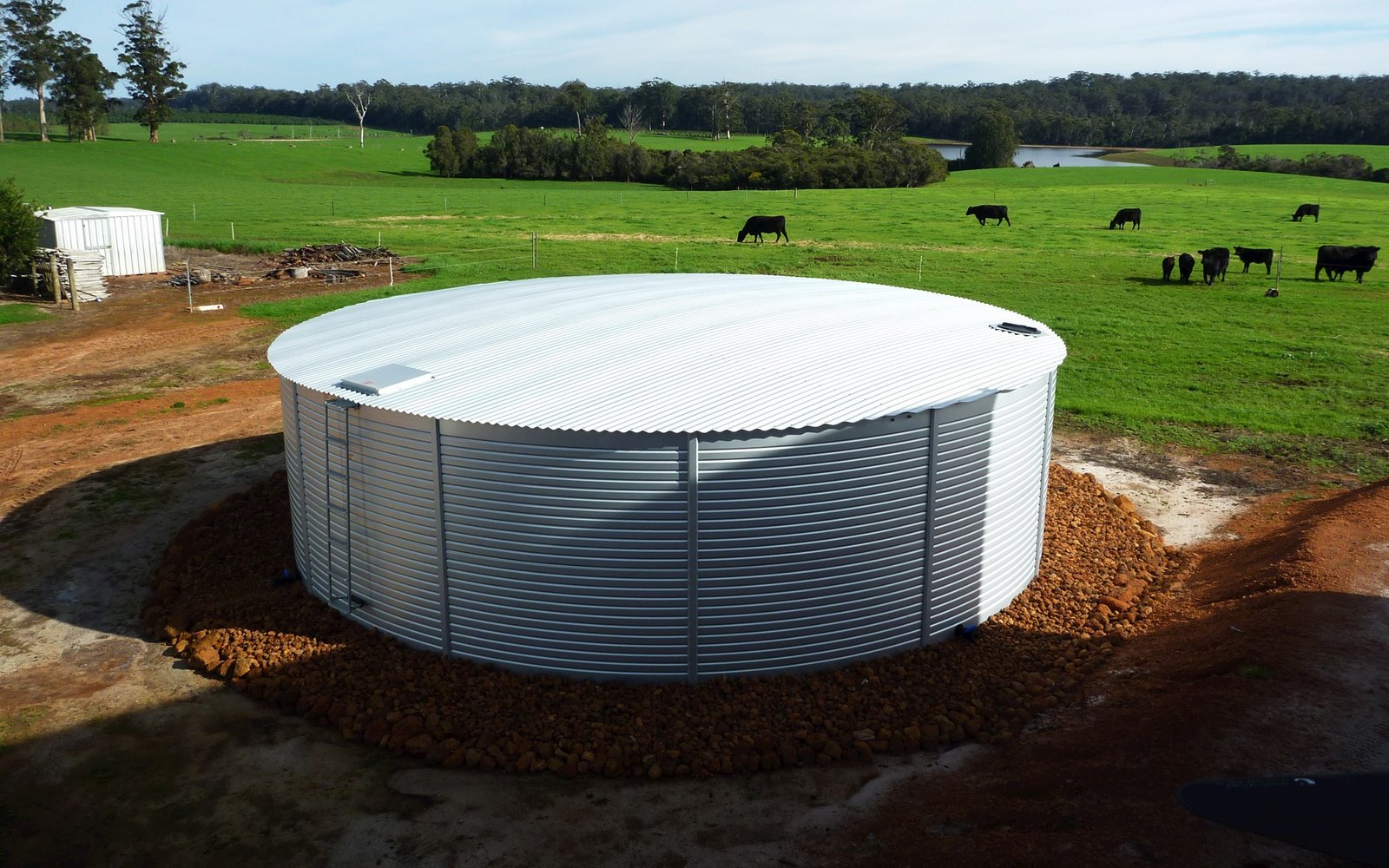
However, there are specific regulations and guidelines that must be followed to ensure the collected rainwater is safe for use. The harvested water is stored in rain barrels or rainwater tanks, which are most commonly large steel water tanks or smaller polyethylene water tanks.
People install rainwater tanks in Australia for a variety of reasons. Some install them for the benefits of fresh water without added chemicals, or to save on their water bills, while many Australian households without access to mains water rely on rainwater tanks and dams to provide a reliable water source for their homes.
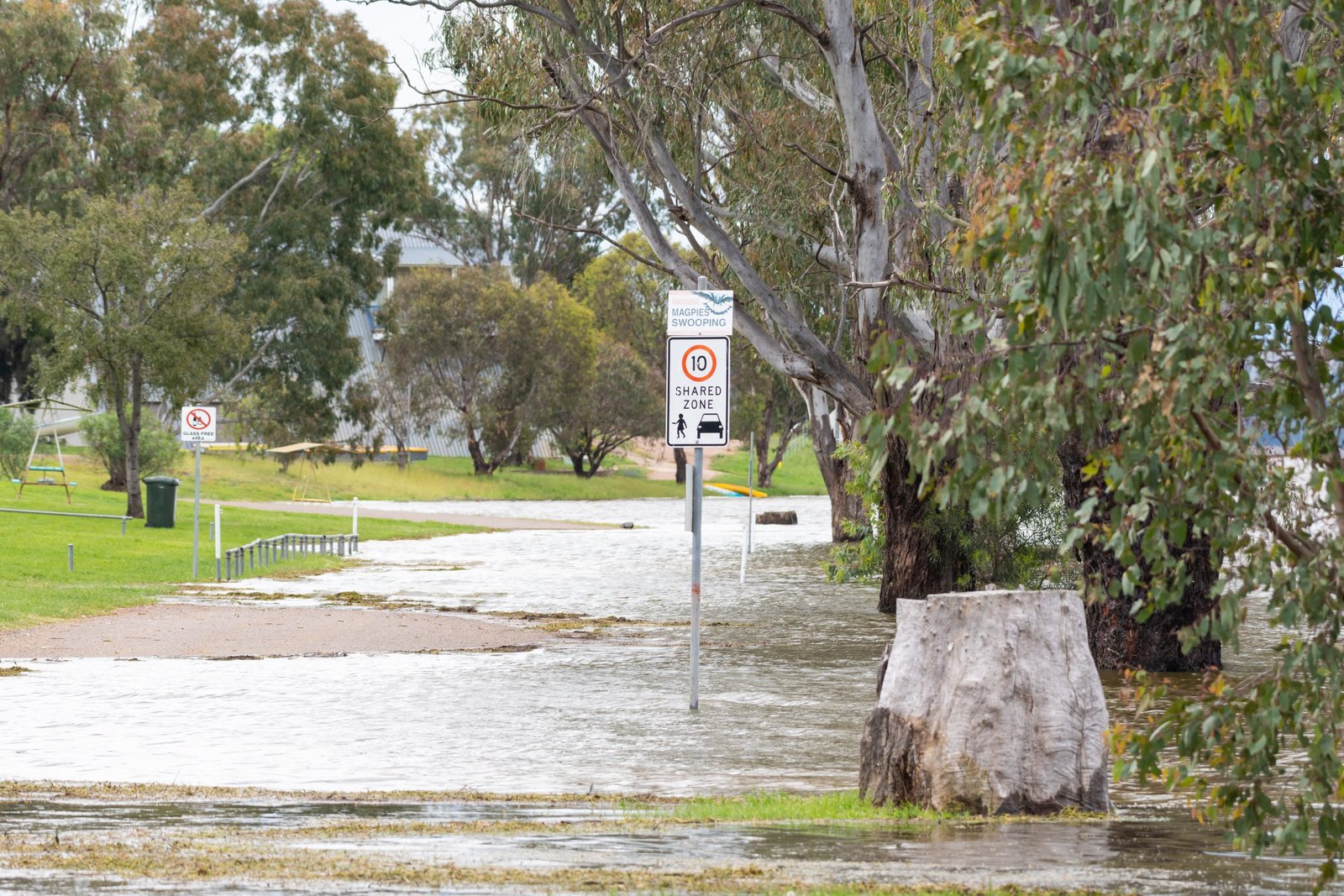
Australia is known for its dry climate, and water scarcity is a major concern in many regions of the country. Rainwater harvesting can help address this issue by providing a reliable source of water for households and businesses. It also reduces the strain on municipal water systems and aids in conserving water resources. In a nation where both floods and droughts are common, harvesting rainwater from your roof and gutters can help mitigate the challenges associated with both environmental extremes.
The more homes that install rainwater tanks and rainwater catchment systems, the less stormwater runoff will flow onto roads or footpaths during heavy downpours. This collected rainwater can also provide families with a reliable supply to supplement their water usage during Australia’s long, dry summers.
While rainwater harvesting is legal in Australia, there are specific regulations and guidelines that must be followed to ensure the harvested rainwater is safe for use. For example, the water must be collected from a clean and safe source, such as a roof or gutter, and stored in a clean and safe container, such as a tank or cistern. Additionally, the water must be treated and tested to ensure it is free of contaminants and safe for human consumption.
Each state is likely to have different guidelines, so it’s important to refer to your state government or local government’s rainwater harvesting information page if you have any questions regarding council approval, water restrictions, or the filters or pumps required for drinking water supply. States also vary on how much water can be used for gardens or other uses, even if the water is harvested and stored in a rainwater tank.

In some cases, building codes and permits may be required for the installation of a rainwater harvesting system. This is typically the case for larger systems, such as those used for irrigation or commercial buildings. It is important to check with local authorities to determine what regulations and permits are necessary before installing a rainwater harvesting system.
Some new developments or housing associations even require a specific rainwater tank size to be installed with new homes, to support mains water systems and allow more household water to be used for gardens, toilet flushing, and washing machines without restrictions.
Many state or local governments offer incentives or rebates to encourage the installation of a water tank. These programs aim to alleviate the pressure on mains water supply and groundwater management, while promoting better water conservation. Typically, these incentives require the tank to meet certain capacity requirements or reserve a specific volume of water for bushfire conditions.
These incentives and rebates may also apply to urban areas. However, it’s often recommended that any rain barrel or storage tank in areas with high vehicle traffic or pollutants not be used for drinking water, as the water quality may be compromised.
To ensure that collected rainwater is safe for use, it’s essential to adhere to water quality standards. This includes regular testing and treatment of the water to remove any contaminants that may be present, and ensuring the water is collected from sources free of pollutants or chemicals. For example, installing a simple first flush diverter can help divert the first flush of water from your gutters and downpipes, which is more likely to contain contaminants like bird droppings, dust, and pollution from the roof, before it enters the tank.
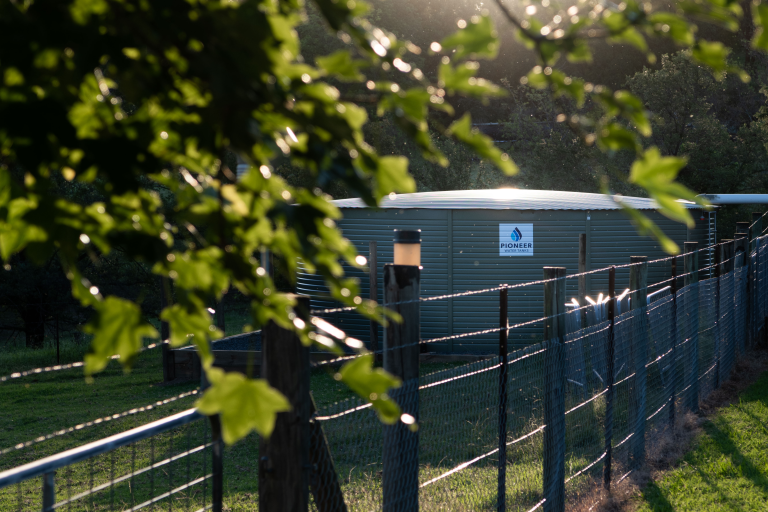
Pioneer Water Tanks includes the Aqualiner Fresh®, an exclusive antimicrobial water tank liner that helps keep stored rainwater clean once it’s inside the tank. This is particularly important if the stored water will be used for drinking water applications.

When collecting and storing rainwater, it’s crucial to consider the potential health and safety risks. For example, standing water can attract mosquitoes and other insects, which can carry diseases. Additionally, the water must be stored in a safe and clean container to prevent contamination. It’s also important to ensure that the water is tested for contaminants and treated as needed to ensure its safety for consumption.
If there are concerns about the quality of the water in your tank, you can have the water tested and, if necessary, have your water tank cleaned by a professional.
Rainwater collection is legal in all states and territories of Australia. However, specific regulations and guidelines must be followed to ensure that the collected water is safe for use. This includes collecting water from a clean and safe source, storing it in a clean and safe container, and treating and testing the water to remove any contaminants.
In addition, building codes and permits may be required for the installation of a rainwater harvesting system. With proper planning and adherence to regulations, rainwater harvesting can be a valuable tool for conserving water resources and providing a reliable source of water for households and businesses.
Pioneer Water Tanks continues to be Australia’s #1 big tank company, providing water storage solutions for thousands of homes and farms across the country.
A Pioneer Water Tank offers a number of advantages, including:
Aqualiner Fresh® antimicrobial water tank liner
Australian-owned and manufactured water tanks
Pioneer Dealer Direct® Network of expert installers
Ongoing support and maintenance by local dealers
Pioneer V-Lock® tank wall profile, engineered for water storage
Made from Australian Zincalume® and Colorbond® steel
20/20 Warranty for peace of mind
Over 30 years of experience, a testament to product quality
Are you looking for a reliable water storage solution as an alternative to scheme water?
Pioneer Water Tanks is the brand for you. Call 0490 089 551 today, and we’ll connect you with your local NSW Water Tanks dealer.