The growing threat of bushfires is a concern that Australians know all too well, with research indicating that bushfire conditions are now more dangerous than in the past.
The risk to people, animals, and property has increased as fire seasons have lengthened and weather patterns have become more unpredictable.
The 2024-25 bushfire season is projected to see an increased risk of fires due to the shift from La Niña to El Niño climate patterns.
Over the past three years, above-average rainfall and milder conditions have led to significant grass and groundcover growth, and the transition to hot, dry conditions is now turning this vegetation into extra fuel for fires.
There are several steps you can take to prepare for the upcoming fire season, and having reliable water tanks should be a priority in your firefighting strategy.
A well-implemented plan is essential to protect your family, property, and livelihood in these potentially deadly situations.

No matter where you live—whether in the city, a small town, or on the land—how you prepare for a bushfire directly impacts the outcome in the event of an emergency.
Even if you plan to evacuate early during a bushfire, it’s crucial to have a plan in place for your house and property. A well-organised property is far more likely to withstand a fire than one that’s unprepared.
Getting your home ready for bushfire season is crucial to protect both your property and family. Here’s what needs to be done:
Create a Defensible Space: Clear all vegetation, dry leaves, and debris from around the house. Maintain a safe distance between trees and structures, and prune any branches that overhang the roof.
Seal Gaps and Openings: Close any gaps in walls, roofs, and eaves where embers could enter. Install mesh screens on vents, windows, and doors to prevent ember penetration.
Install Fire-Resistant Features: Use non-combustible materials for fences, decks, and patios. Check that the roof and gutters are made of fire-resistant materials, and keep them clean.
Prepare Water Sources: Ensure accessible water sources, such as rainwater tanks, dams, or swimming pools, are available with a pump and hose capable of reaching all areas of your property.
Emergency Plan and Kit: Develop a bushfire emergency plan with evacuation routes, and assemble an emergency kit containing essentials like water, non-perishable food, first aid supplies, and protective clothing.
Monitor Fire Warnings: Stay updated on fire risks in your area through local alerts and make sure your household is prepared to act if needed.
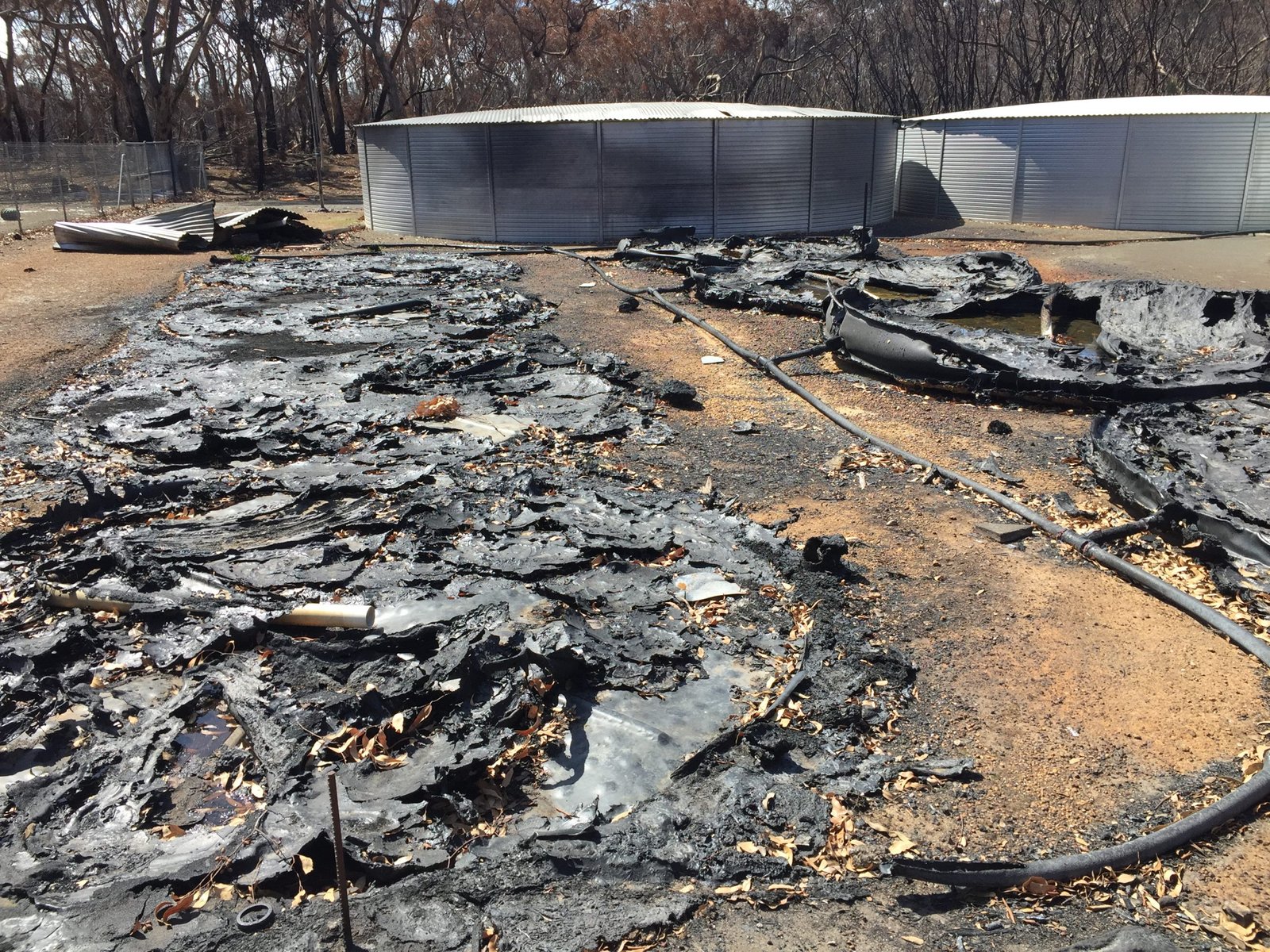
Different states provide specific guidelines and recommendations for bushfire preparedness.
It’s essential to familiarize yourself with these resources and develop a comprehensive plan that includes evacuation routes, communication strategies, and safety zones for livestock.
Regularly review and practice the plan with all household members and farm workers to ensure everyone is clear on their roles in the event of an emergency.
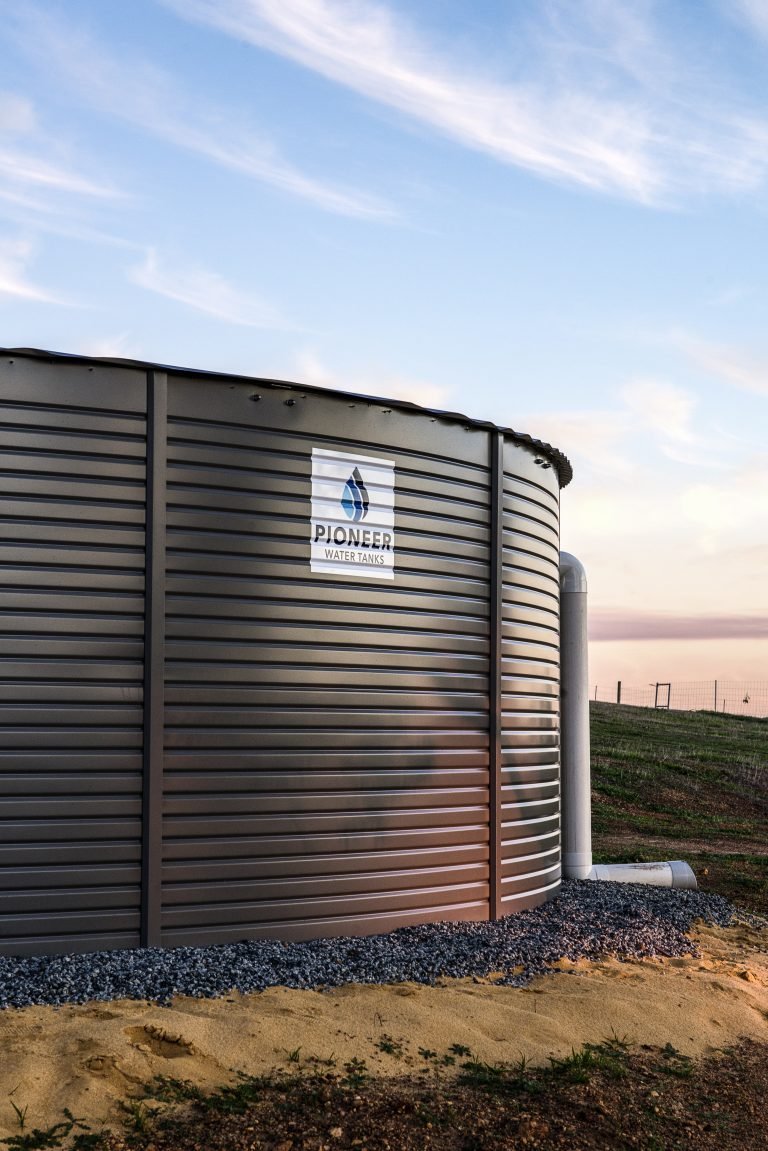
With the bushfire threat looming, it’s essential to ensure your property and rainwater tank are fully prepared. Pioneer Water Tanks, designed by Aussies for Aussies, are built tough to withstand fire exposure and harsh conditions.
Pioneer’s tanks not only meet and exceed Australian standards but have also been rigorously tested by the CSIRO to ensure they remain strong under extreme bushfire conditions. Whether you need custom firefighting water storage or modifications to your existing tank, Pioneer Water Tanks has you covered. Enjoy peace of mind, knowing your tank is ready to protect your family and property this fire season.
Consider positioning a dedicated fire tank in the most vulnerable areas of your property to ensure water is available where it’s needed most. To learn more, read our full guide on bushfire protection:
https://nswwatertanks.com.au/water-tanks-for-bushfire-protection/
A 2006 study by Bushfire CRC found that steel tanks, particularly those made by BlueScope Steel®, outperformed other materials in protecting homes from bushfires. These tanks maintained structural integrity during a 30-minute flame immersion test, and the Aqualiner FRESH® tank liner effectively retained water.
In contrast, polyethylene tanks suffered significant structural distortion, melting, and potential total failure, especially when located near combustible materials. The study concluded that steel tanks are far more reliable under bushfire conditions compared to polyethylene tanks.

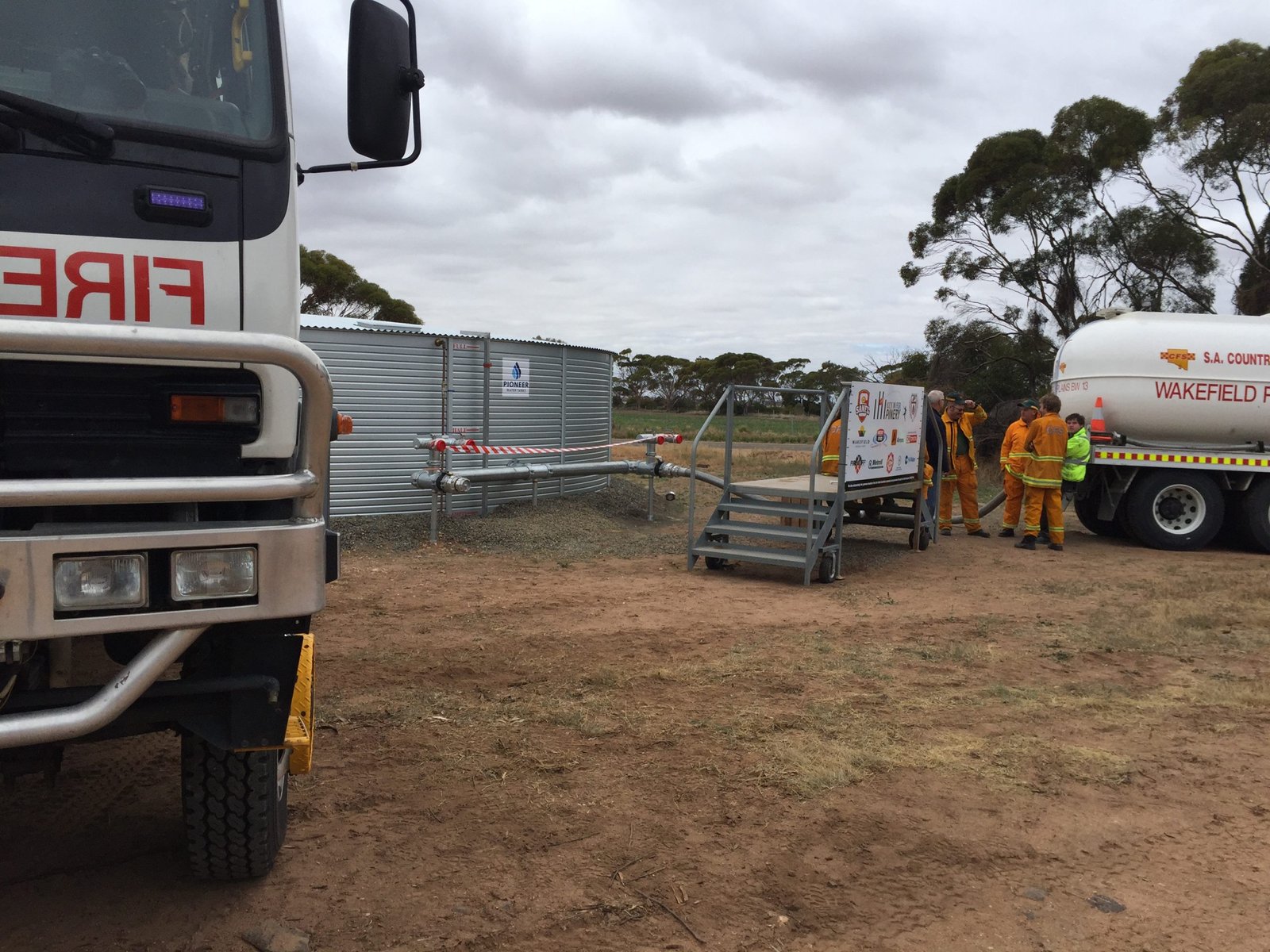
Water tank fire fittings are specialised components that provide quick access to water for firefighting purposes. These fittings include outlets, valves, and adaptors designed to connect to hoses and pumps, ensuring efficient water use during emergencies.
Many councils recommend tanks be equipped with a 50mm camlock fitting compatible with fire truck fittings, but it’s best to check with your local council before installation to ensure compliance with specific requirements.
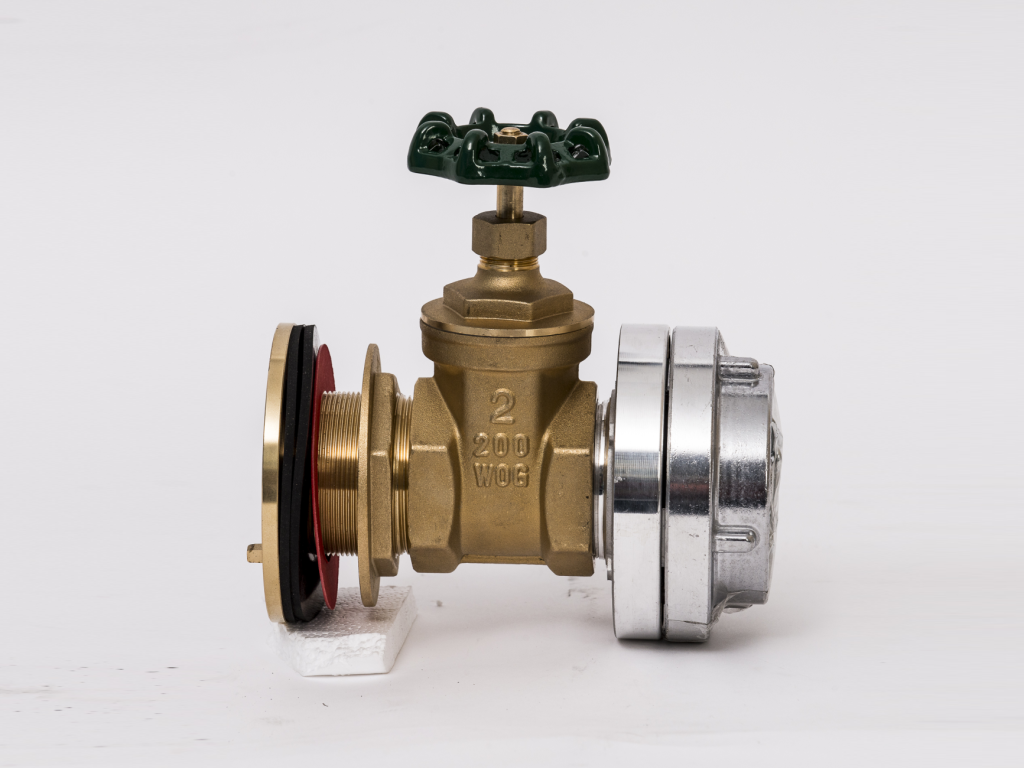
Pioneer Water Tanks can be fitted with a fire reserve, ensuring that a designated amount of water remains in your tank during a fire.
Fire reserve requirements can vary, so it’s important to check with your local council for specific guidelines. In some cases, councils may require a separate fire reserve tank if your main tank is used for household water, with reserve amounts typically ranging between 10,000-20,000 litres.
Be sure to provide adequate space for service vehicles to access the fire reserve outlet and ensure a separate, independent water supply for firefighting needs.

For more information or pricing on our world-class bushfire protection water storage solutions, call 0490 089 551 or fill out our form online, and NSW Water Tanks will be in touch shortly.