

Good for your hair and skin
Alkaline water may help promote a healthy pH balance
Great for your plants and gardens
Alkaline pH is beneficial for your laundry
Better for your taps, tiles, and bricks

The short answer is yes, and there are numerous other health benefits of rainwater for both you and your home that don’t involve drinking. Rainwater is the primary source of fresh water in many regions, whether it’s used to fill reservoirs, springs, dams, or collected in a rainwater tank, and is harvested by millions around the world for drinking, bathing, cleaning, and irrigation.
Rainwater is naturally pure and an inexpensive water source. It contains very low levels of dissolved minerals and pollutants, making it ideal for drinking water. Rainwater harvesting is a cost-effective way to source clean water, especially for people in areas with no access to tap water, mains water, or any other form of water supply, and it can provide significant health benefits. Not to mention, anyone from rural Australia will tell you—rainwater tastes better!
All Australian state and federal guidelines confirm that rainwater harvested in rural areas is free from toxins and safe for drinking. As long as you’re not collecting from a contaminated source—such as a roof with a wood burner or one coated with lead-based paint—your collected rainwater will be fresh and clean for your family’s consumption.
This means that in most areas of Australia, especially those that require the use of rainwater tanks, your harvested rainwater will be safe for drinking, cooking, and cleaning, and it brings added benefits around the home.
If you are still concerned about any potential toxins or chemicals in your water and believe further filtration may be needed, it won’t cause any harm and can easily be installed on any taps from which you will be drinking.
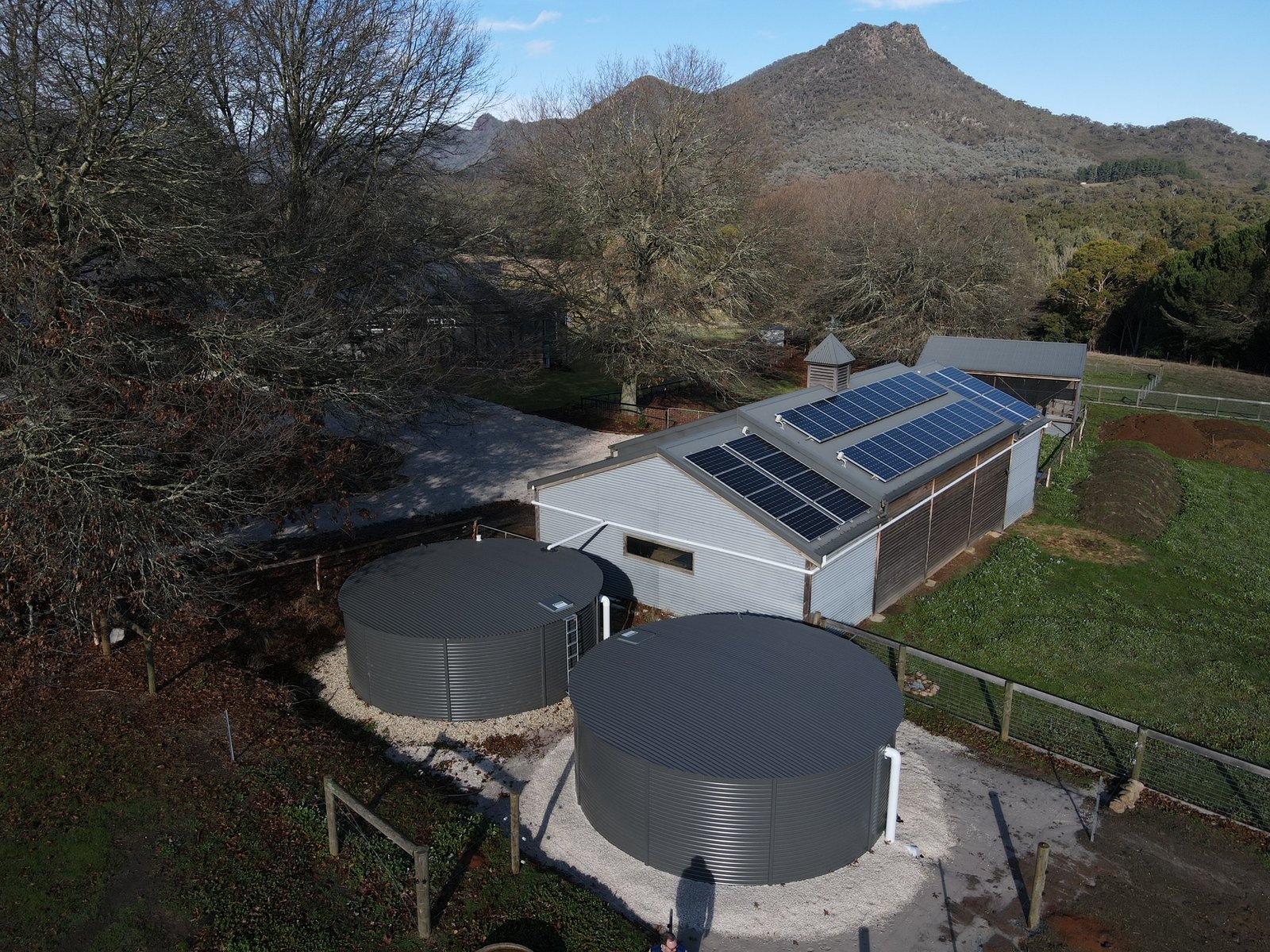
An added benefit of a Pioneer Water Tank is the inclusion of the industry-leading and revolutionary Aqualiner Fresh® water tank liner. This innovative technology uses silver ions in the liner to help keep your water clean from the inside of the tank, actively fighting harmful bacteria, algae, and other contaminants that may form.
Developed in collaboration with the team at Sanitized®, this technology is standard in all Pioneer rural rainwater tanks, giving you peace of mind that your harvested rainwater is clean, fresh, and healthy.
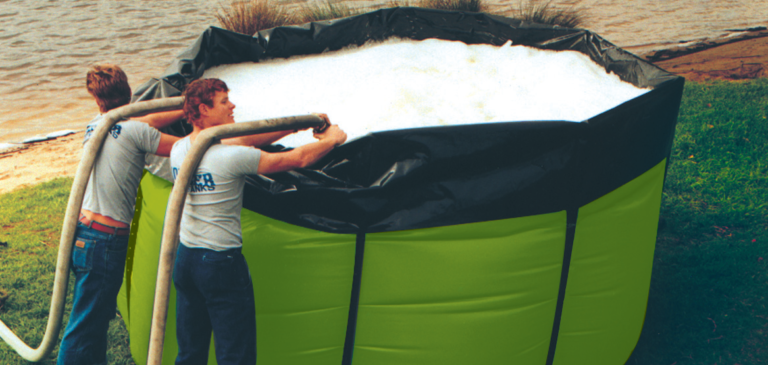
A key advantage of a Pioneer Water Tank is the inclusion of the industry-leading and revolutionary Aqualiner Fresh® water tank liner. This innovative technology incorporates silver ions in the liner, which works to keep the water clean from the inside of the tank, preventing the growth of harmful bacteria, algae, and other contaminants.
Developed in collaboration with the team at Sanitized®, this technology is standard in all Pioneer rural rainwater tanks, ensuring that you can have peace of mind knowing your harvested rainwater is clean, fresh, and healthy.
In addition to providing a healthy way for your family to access clean and fresh drinking water, the health benefits of rainwater extend throughout your home, benefiting both your family and your gardens as well as the home itself.
As long as your annual rainfall is sufficient and you have adequate space for rainwater harvesting, a rainwater tank can provide enough water for your entire home. Rainwater harvesting can reduce your water bill and help you become more environmentally friendly, reducing your overall carbon footprint.
For clean rainwater collection, it’s essential to ensure that your rainwater harvesting system is free of debris or contaminants that may find their way into your stormwater before it reaches the tank.
It’s well known that your hair often feels soft, curly, and full of life after being caught in the rain. This is due to the low pH level of rainwater, which lacks many of the minerals typically found in other types of water. When rainwater comes into contact with your hair, it helps remove any minerals or chemicals that may have bonded with your strands.
Thanks to its low pH level, rainwater works exceptionally well with soaps and other products used for cleaning your skin or face. It’s better absorbed by the water, making it more effective when applied to the surface it’s meant to clean. This can aid in clearing up acne or simply help your cleaning products last longer. The same principle applies when showering, as rainwater will assist soap in removing grime and grit from your body.
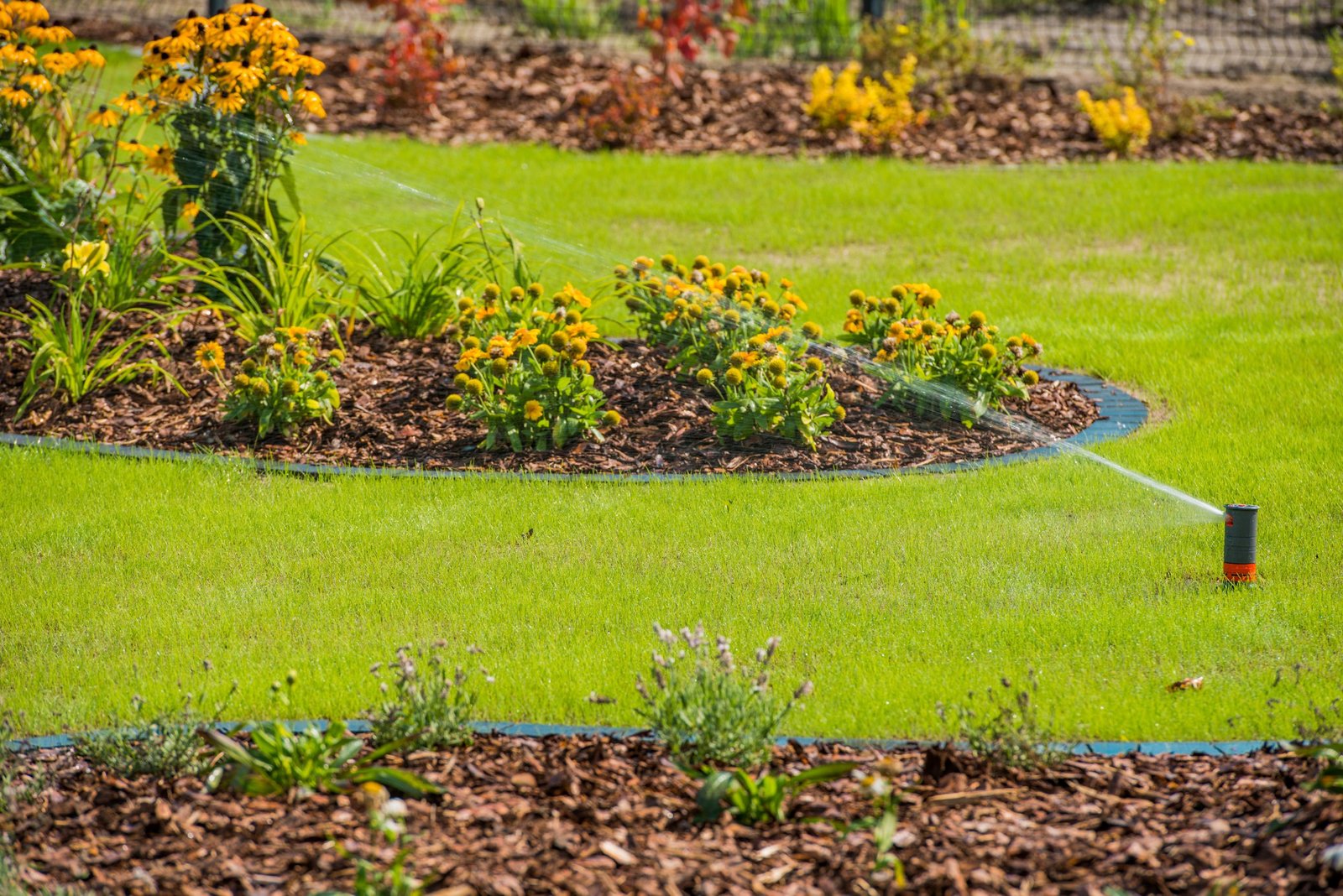
Rainwater has proven to be an incredibly beneficial water source for plants and gardens. Have you ever noticed how gardens and lawns appear greener, cleaner, and lusher after a rainfall?
The main reason for this is the pH of the water, which makes it richer in oxygen and nitrogen than tap water or groundwater. These are two of the major elements responsible for making plants thrive. During a thunderstorm, these chemicals combine with the rain to form nitrate—a commonly used fertilizer—that is immediately absorbed by plant roots and leaves.
Nearly all plants are vulnerable to chlorine toxicity, which can cause browning of leaves. Rainwater helps prevent this and, in some cases, can even assist in cleaning the leaves and roots of plants. The carbon dioxide brought down with the rain also helps release important micronutrients in the soil, such as copper, iron, manganese, and zinc.
Additionally, rainwater is free from the sodium and heavy metals often found in groundwater or municipal water supply—commonly referred to as hard water—which can damage plant root systems and gardens.
Unlike hard water sources, such as tap water or mains water, rainwater is considered soft water. The hardness of water refers to its dissolved mineral content.
While hard water is typically safe to drink, it can reduce the effectiveness of soap. Instead of forming a nice lather, it often turns into a greyish cream—you may have noticed white or grey lines or washing powder residue on your laundry when hanging it out to dry.
Rainwater, however, helps detergents work as intended, and can also assist in dissolving minerals from clothes that may cause them to become stiff, ultimately leading to softer, cleaner laundry.
Another downside of hard water is the deposits it leaves on all surfaces it contacts. While generally harmless, these deposits can reduce the flow of taps and showerheads, cause stains or build-up on tiles, and even leave marks on bricks or retaining walls outside the home.
Thanks to its absence of minerals and chemicals, rainwater doesn’t leave behind the same unsightly marks or calcium build-up on surfaces, making your maintenance and cleaning much easier.

If you’re looking for a rainwater storage solution for your drinking water and home, one of NSW Water Tanks’ helpful water storage experts will be happy to assist with any questions you have about their wide range of rainwater tanks.
Pioneer Water Tanks are available in sizes ranging from 12,000L to 500,000L, and come in a variety of Colorbond® colours. Contact us today to learn more.